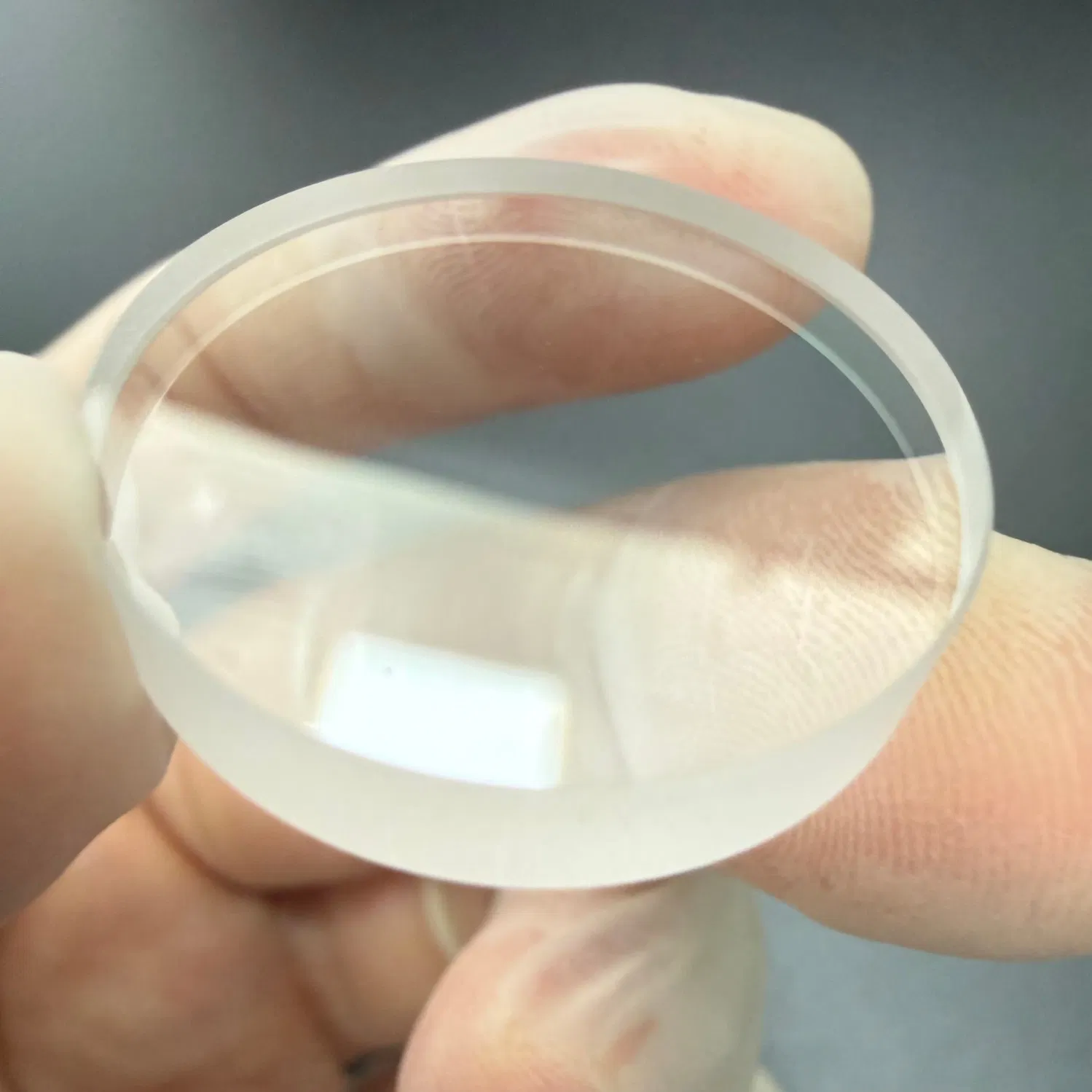
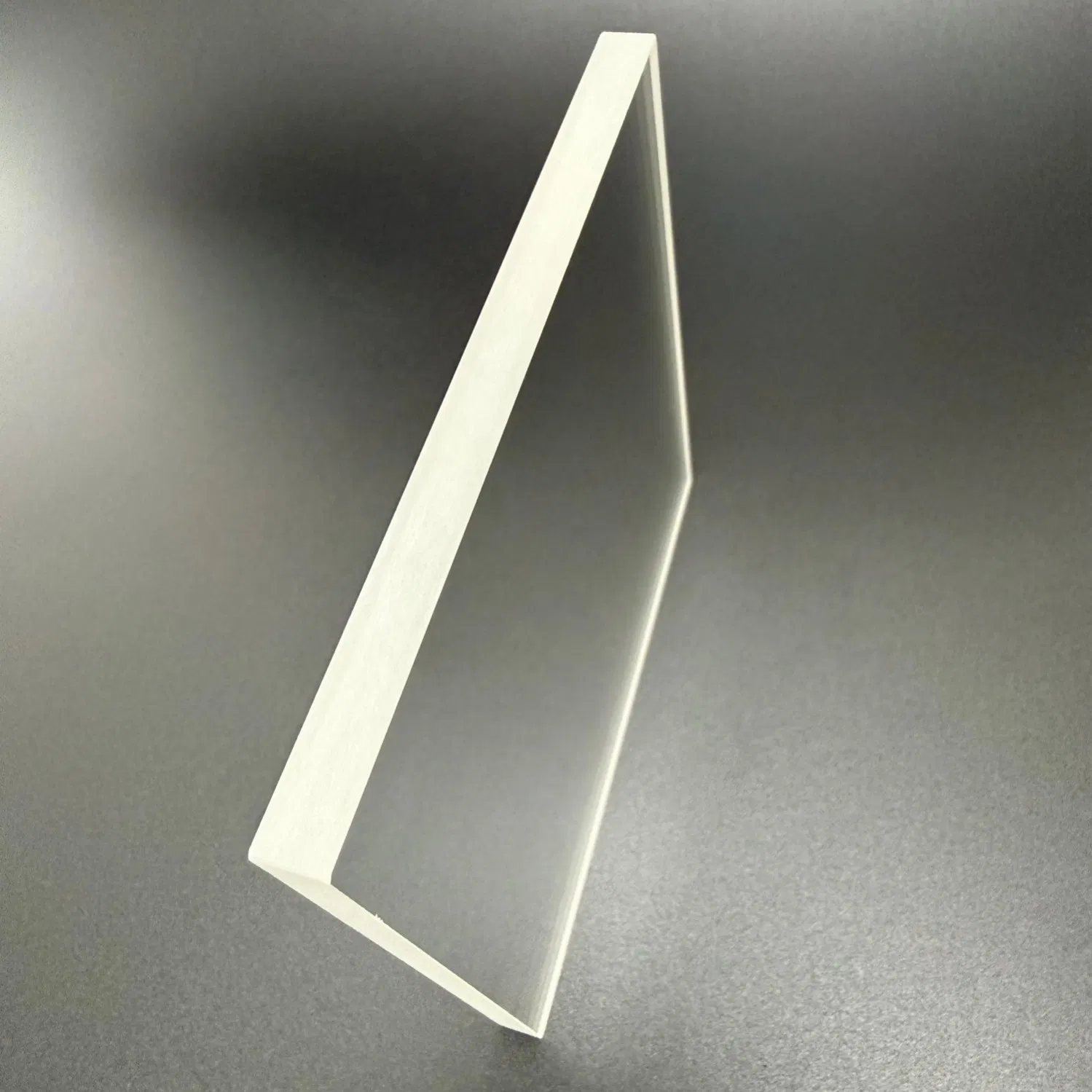
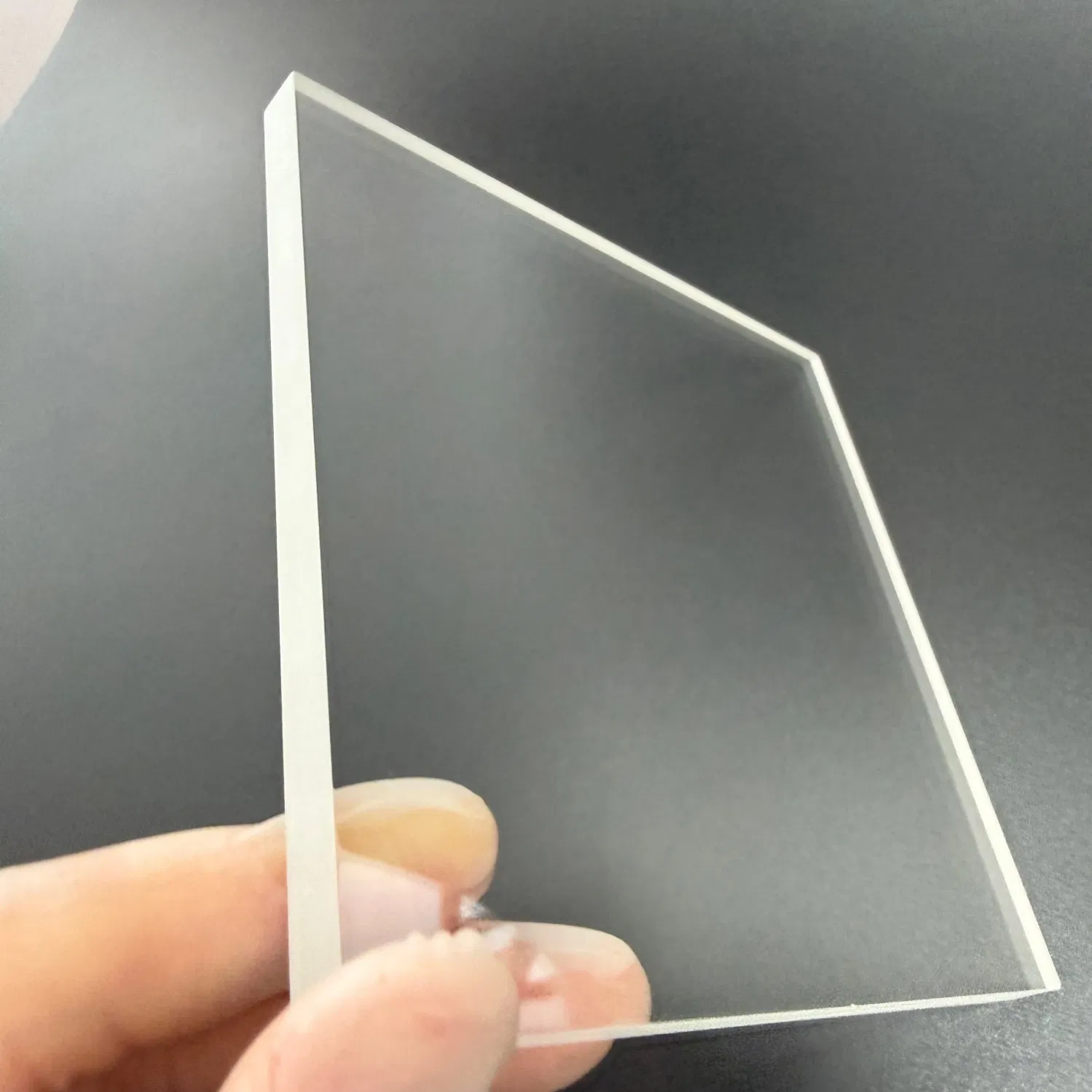
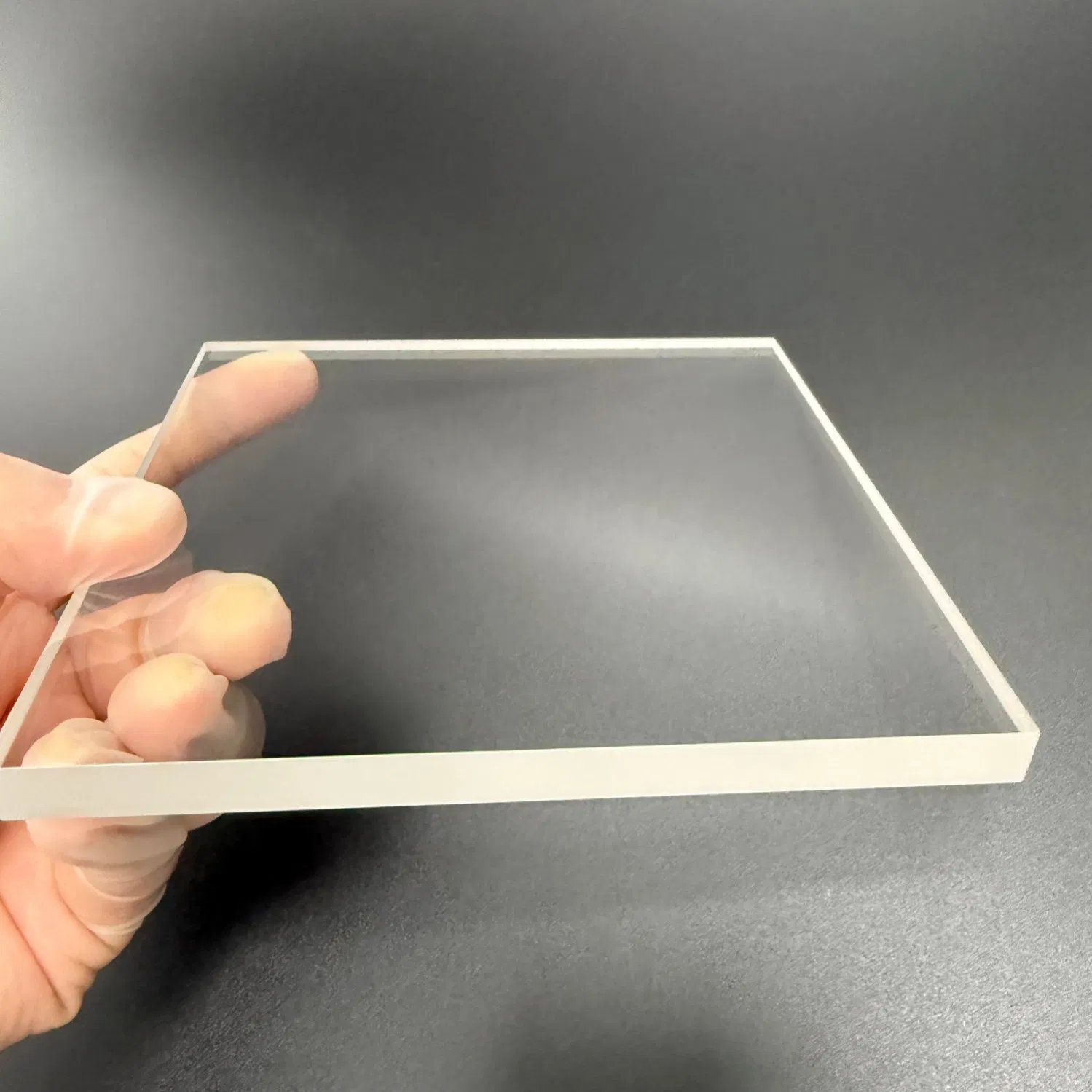
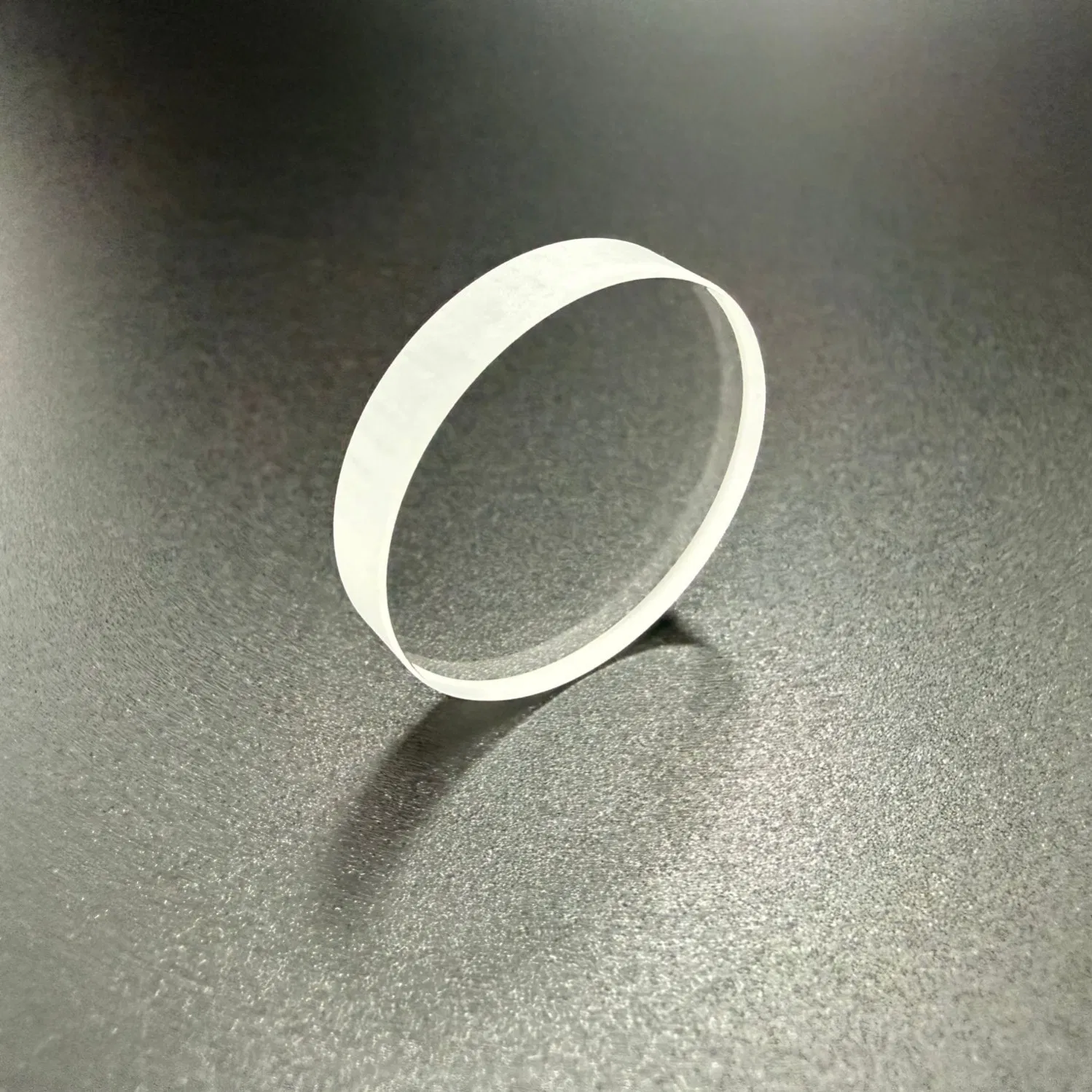
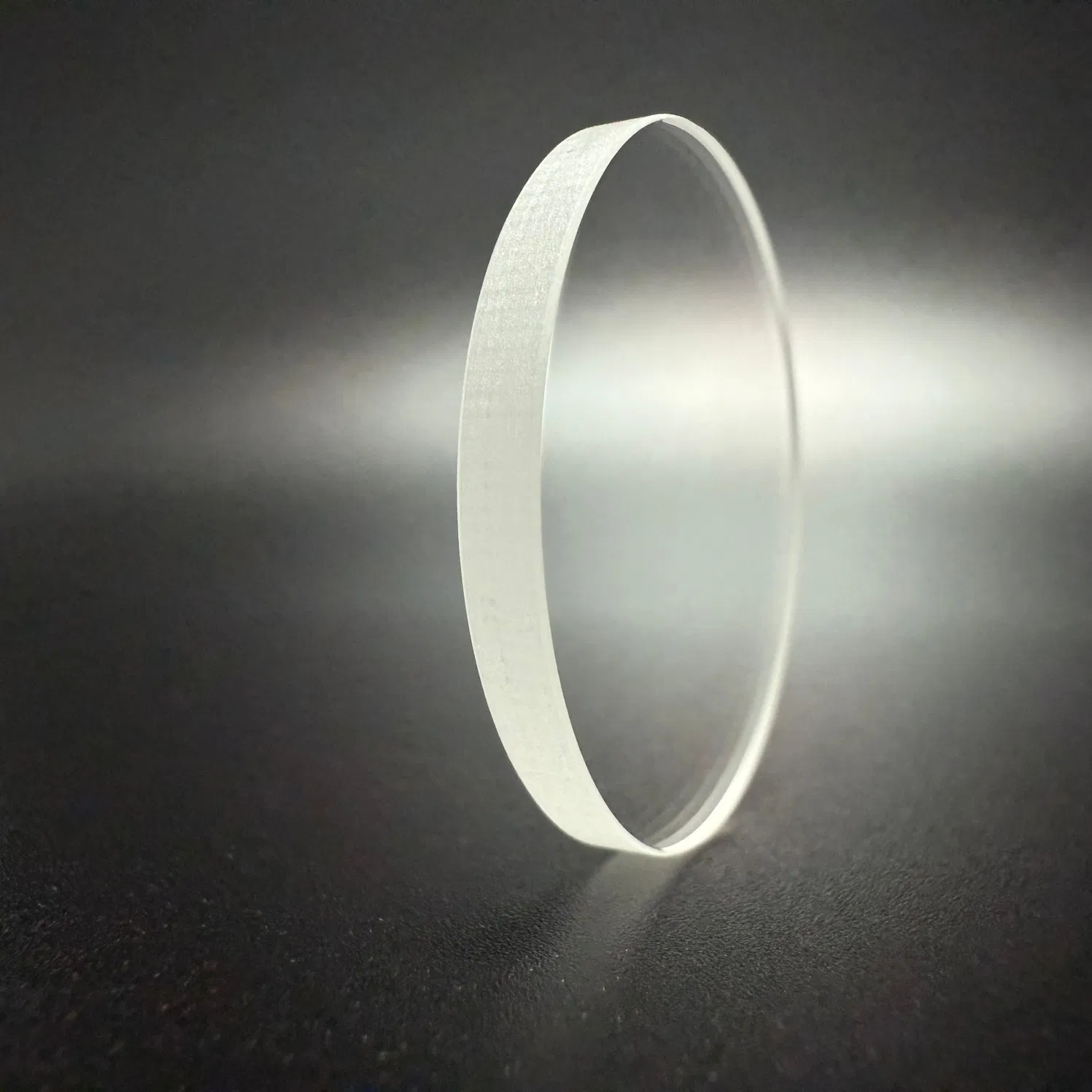
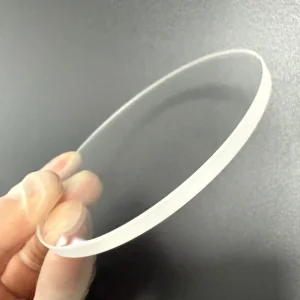
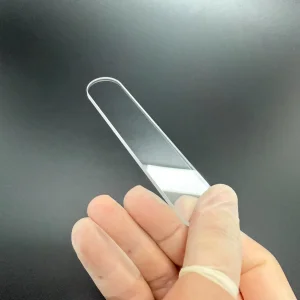
Smartphone Barometer Sapphire Glass Window Optical Lens, Breathable Waterproof

Still deciding? Get samples of $ !
Order Sample

Product Description

i

Basic Specifications

Model NO.
1-1000mm
Usage
Optical
Type
Flat Lens
Transmittance
>95%
Material
Optical Synthetic Sapphire
Hardness
Mohs Hardness of 9
Melting Point
2040 °C
Refractive Index
1.761-1.77 (@589nm)
Density
3.98 G/Cm³
Thermal Conductivity
25 - 35 W/(M·K)
📦

Packaging & Delivery

Package Size
20.00cm * 20.00cm * 20.00cm
Gross Weight
1.000kg
Transport
Factory-Sealed Security Packaging

Product Description

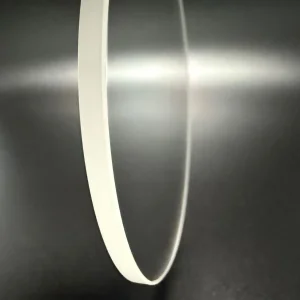
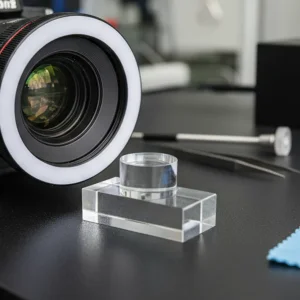
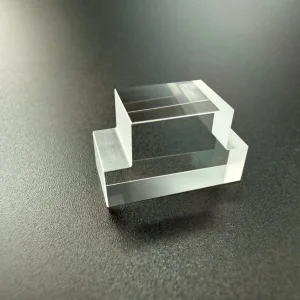
Sapphire Glass Window Optical Lens
Optical Lens Detail
Category Parameter Typical Value / Description
Physical Material Composition Single Crystal α-Aluminium Oxide (Synthetic Sapphire)
Physical Mohs Hardness 9 (Second only to diamond)
Thermal Max Operating Temp 1900 °C (Inert Gas) / ~1000°C (Air)
Optical Transmission Range 0.15 μm - 5.5 μm (Deep UV to Mid-IR)
Optical Refractive Index no = 1.768 / ne = 1.760 (@587.6 nm)
Surface Surface Quality 10-5 Scratch-Dig up to 20-10 High Grade
Surface Flatness λ/10 @ 632.8nm
Coating Options AR (Anti-Reflection), HR (High Reflection), ITO Conductive, Oleophobic
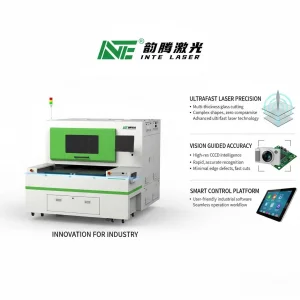
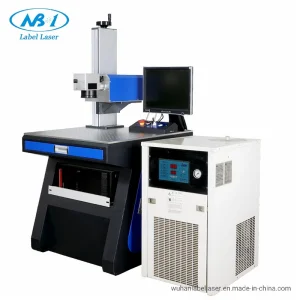
Sapphire Glass Manufacturing
Technical Specifications

Certifications

Product Certifications
?

Frequently Asked Questions

Is sapphire glass made from real gemstone sapphires?
Sapphire glass is a synthetic sapphire crystal created by crystallizing aluminum oxide at high temperatures. It has identical physical properties to natural sapphire but is man-made for industrial and optical applications.
What is the primary advantage of using sapphire glass?
Its core advantage is an exceptional Mohs hardness rating of 9, making it highly resistant to scratches from everyday materials. It also offers excellent optical transmittance from UV to Mid-IR.
Is sapphire glass shatterproof?
While extremely hard and scratch-resistant, sapphire glass can be brittle. It is specialized for scratch prevention rather than high-impact drop protection. Structural designs like domed shapes are often used to improve resistance.
What is the light transmission range of this material?
Sapphire glass has a very broad transmission range, typically from 0.15 μm to 5.5 μm, covering Deep UV, Visible, and Mid-Infrared spectrums.
Can sapphire glass withstand high temperatures?
Yes, it has a very high melting point of 2040°C. It can operate at temperatures up to 1900°C in vacuum or inert environments and approximately 1000°C in air.
What coating options are available?
We offer various coatings including Anti-Reflection (AR) to increase transmission, High Reflection (HR) for lasers, and Oleophobic coatings for anti-fingerprint properties.

Related Products