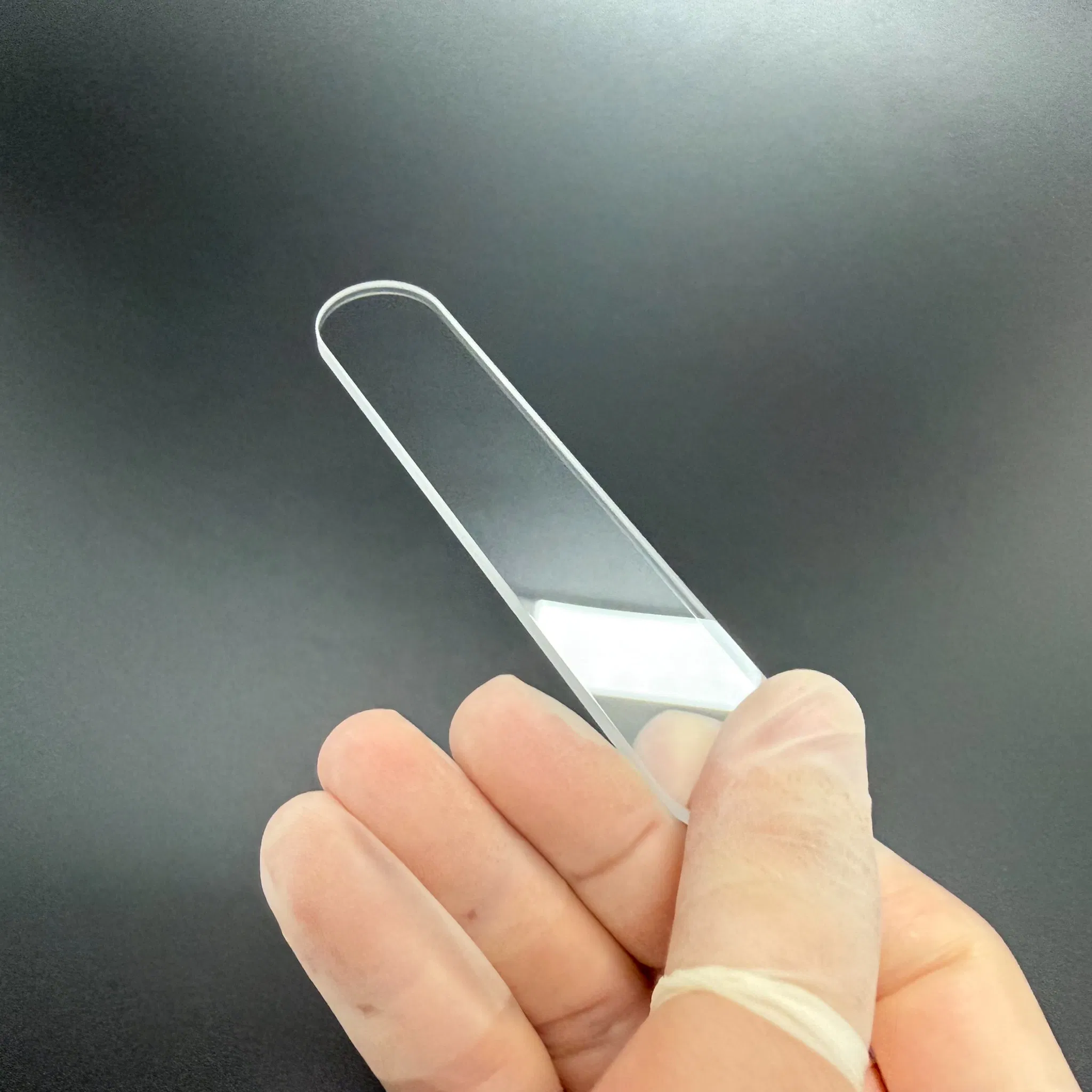
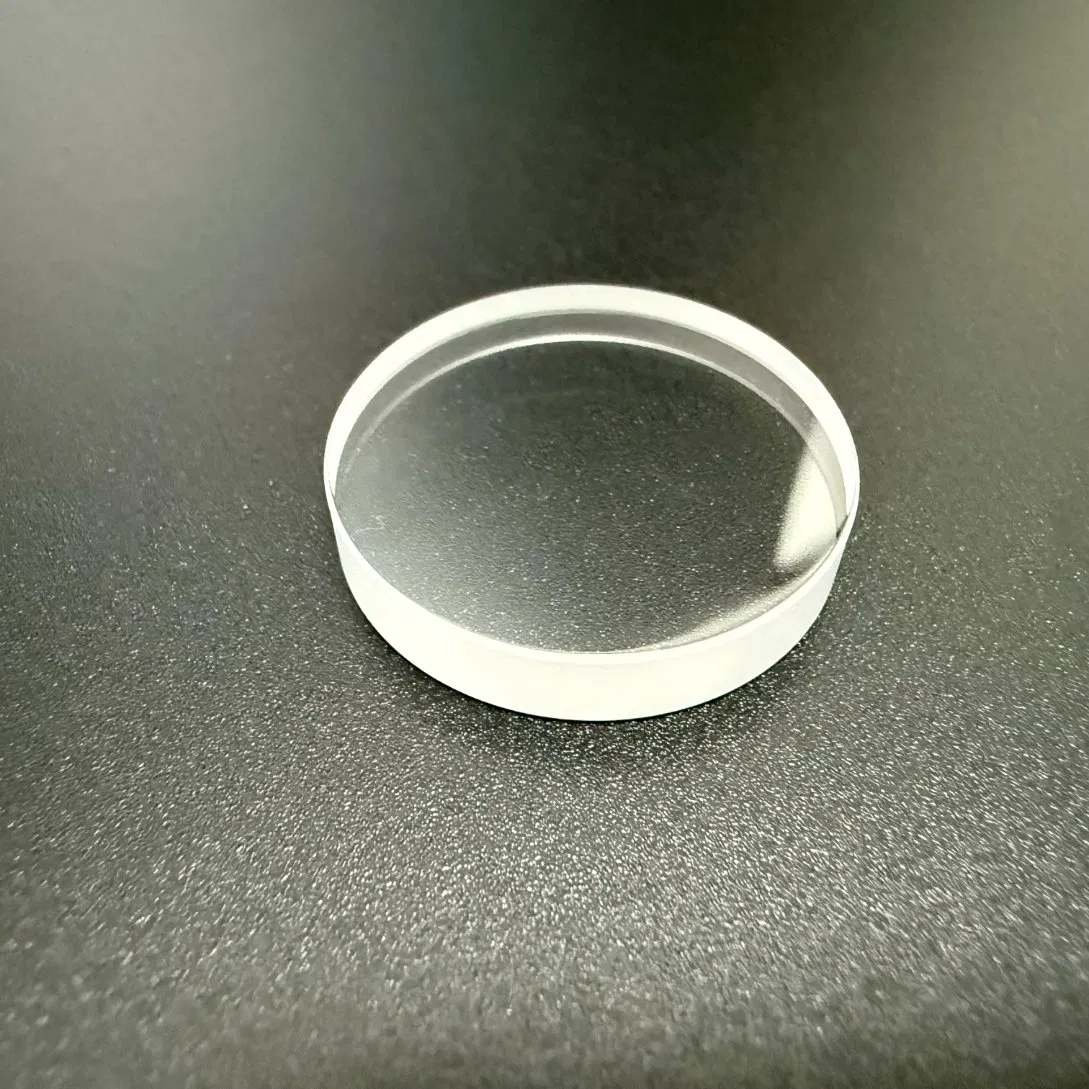
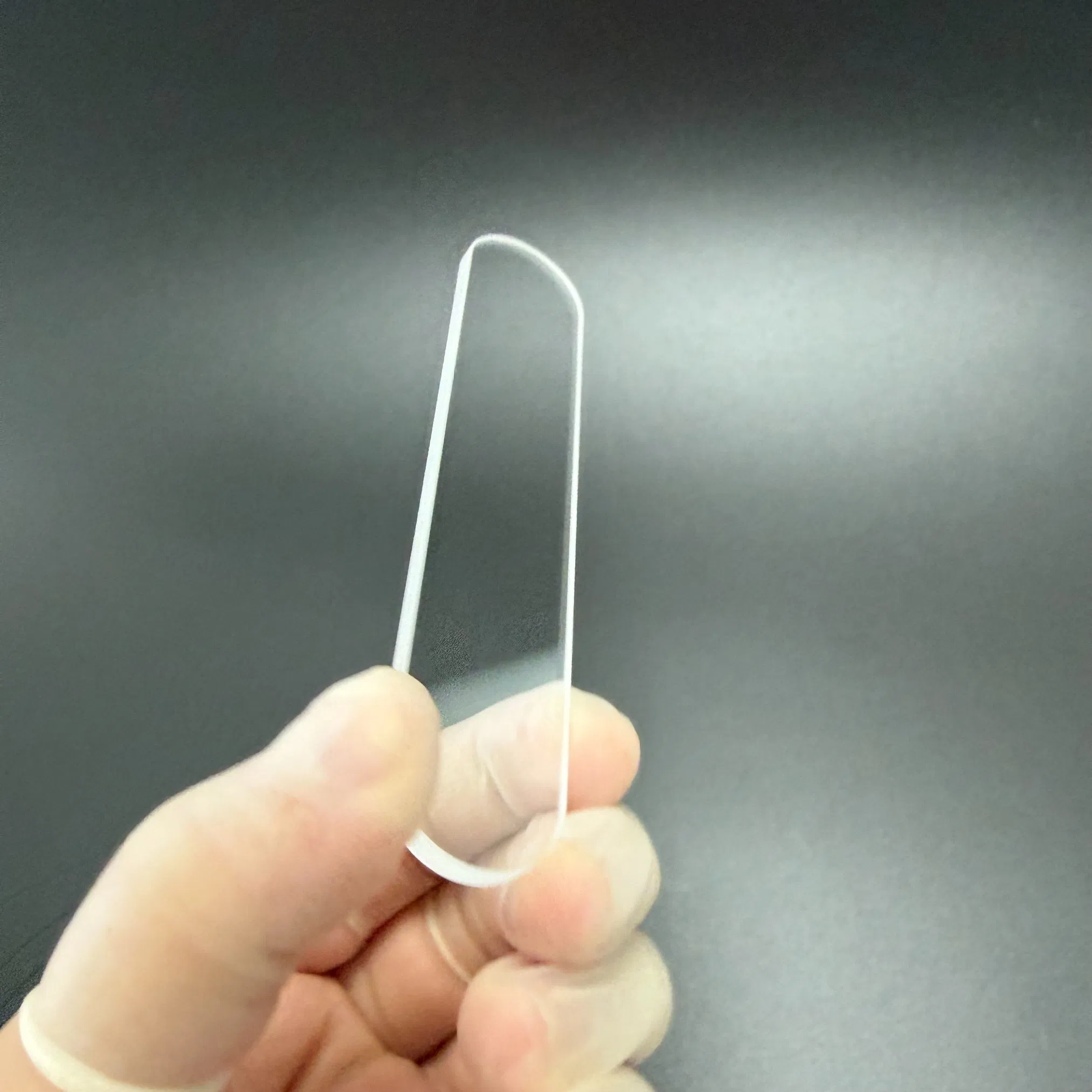
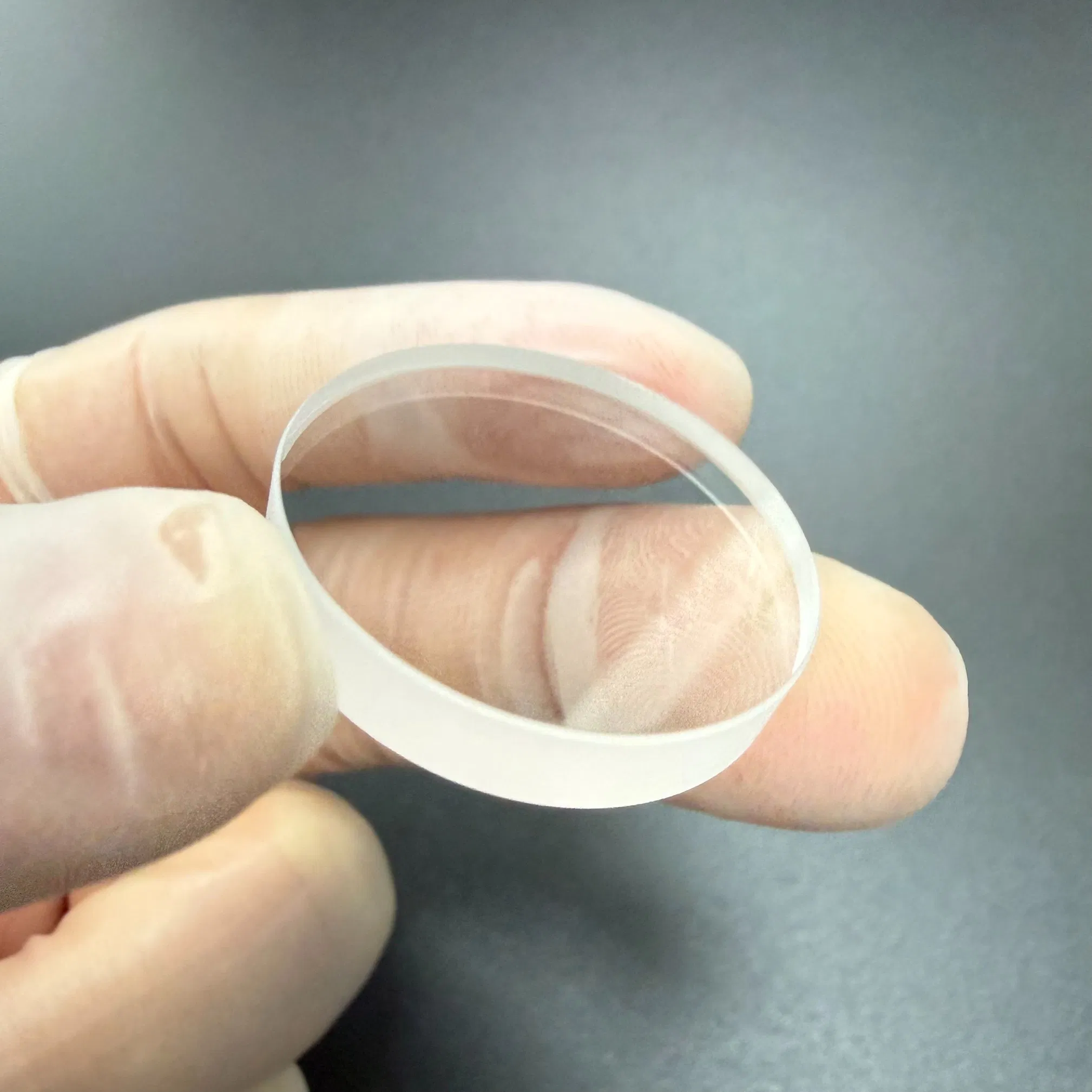
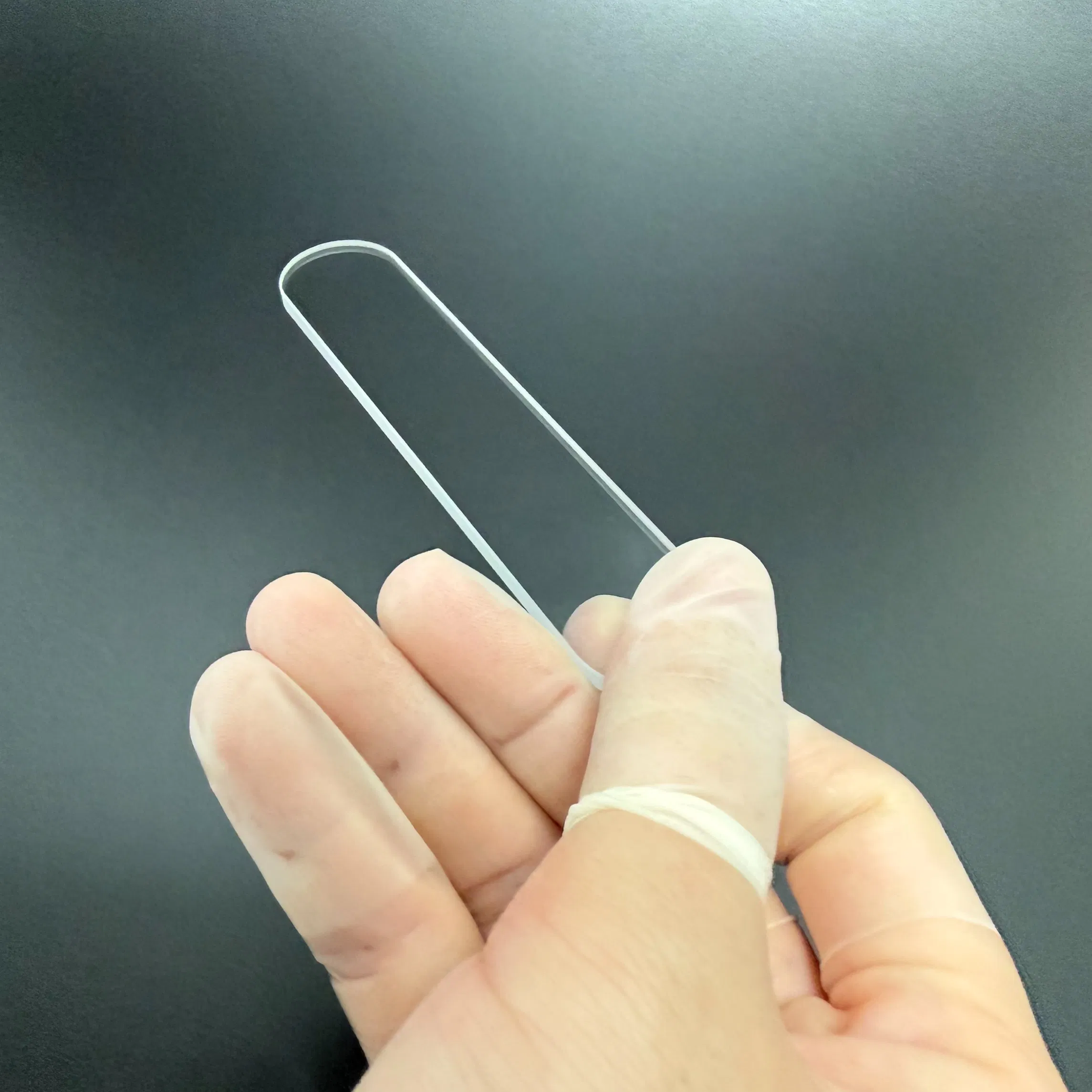
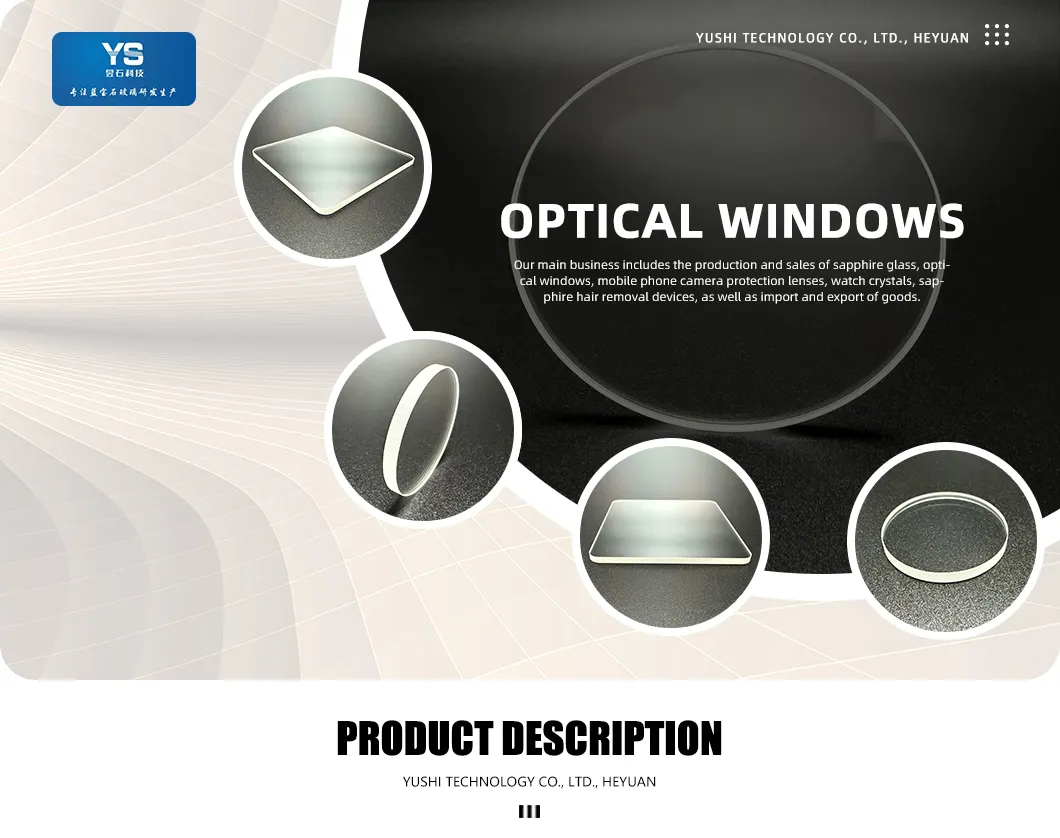
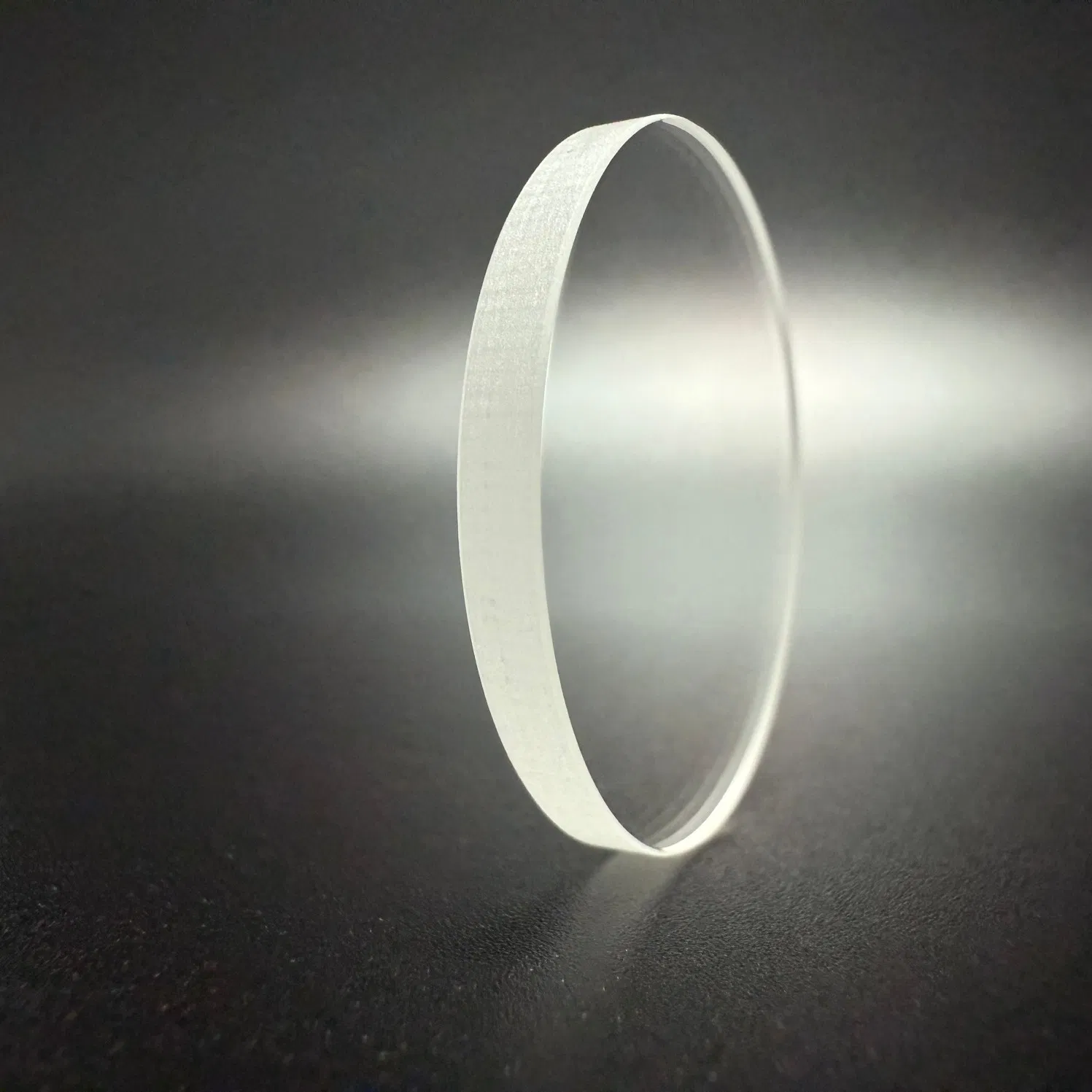
Low-Backreflection Treated Sapphire Glass Optical Lens for Systems

Still deciding? Get samples of $ !
Order Sample

Product Description

Basic Information

Model NO.
1-1000mm
Magnification
>1000X
Type
Biological
Mobility
Desktop
Light Source
Laser
Material
Synthetic Sapphire Glass
Hardness
Mohs Hardness of 9
Density
3.98 G/Cm³
Melting Point
2040 °C
Transmission
0.15 μm - 5.5 μm
Certification
ISO9001
Coating
UV / AR / HR

Product Description

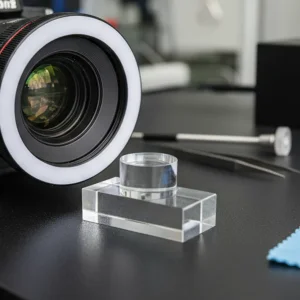
Sapphire Glass Optical Lens
Low-Backreflection Treated Sapphire
Parameter Category Parameter Name Value / Description Notes
Basic Info Material Composition Single Crystal α-Aluminium Oxide Synthetic Sapphire
Physical Mohs Hardness 9 Second only to diamond
Physical Young's Modulus 345 GPa High structural rigidity
Thermal Melting Point 2040 °C Excellent heat resistance
Thermal Thermal Conductivity 25 - 35 W/(m·K) ~30x higher than ordinary glass
Optical Transmission Range 0.15 μm - 5.5 μm Deep UV to Mid-IR
Optical Refractive Index no = 1.768 / ne = 1.760 @587.6 nm
Surface Surface Finish 10-5 Scratch-Dig High Precision Quality
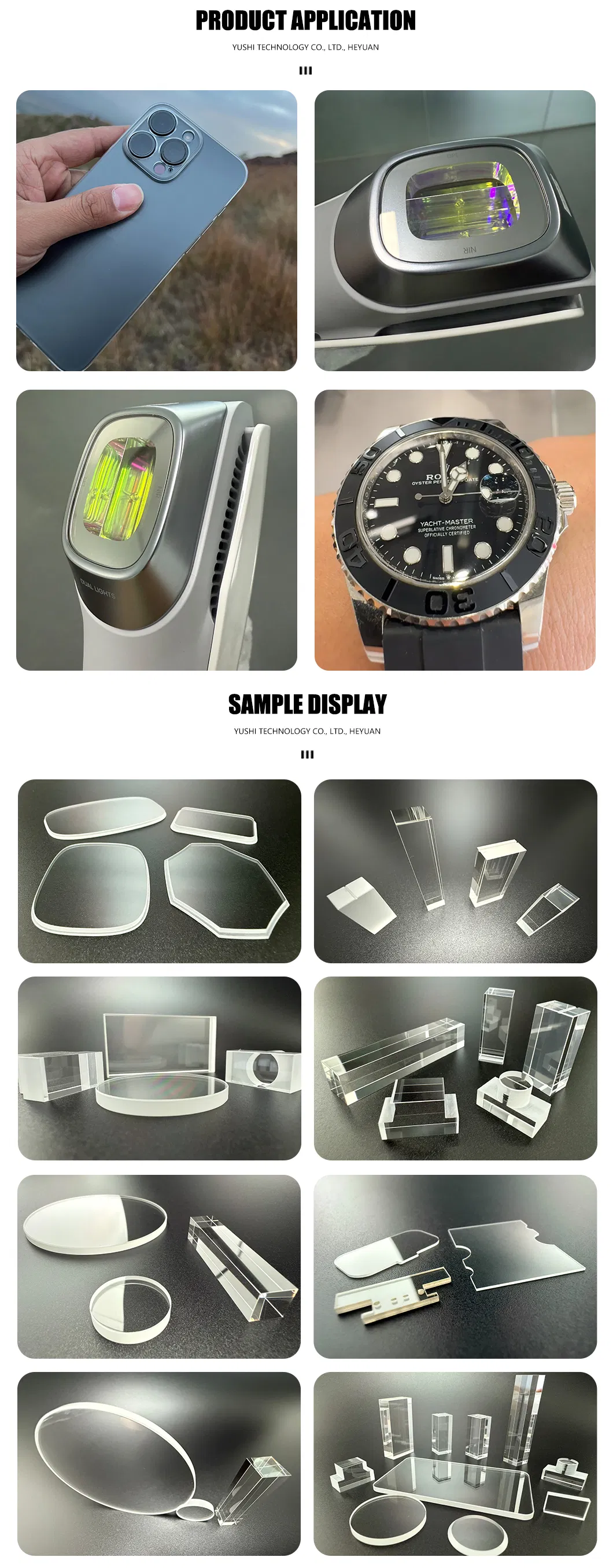
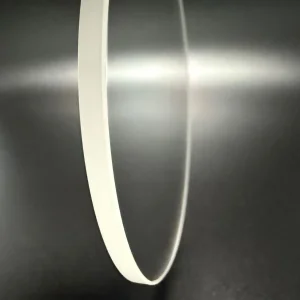
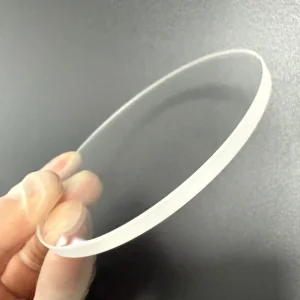
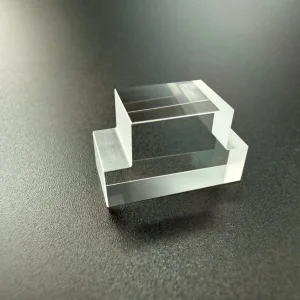
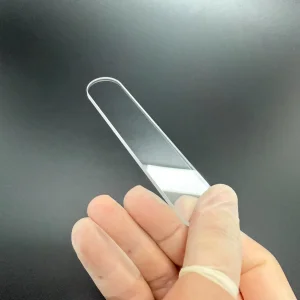
Optical Lens details
Sapphire Glass Application

Certifications

Product Certifications

Frequently Asked Questions

Is sapphire glass made from real natural gemstones?
No, it is synthetic sapphire crystal created by crystallizing aluminum oxide at high temperatures. It has identical physical properties to natural sapphire but is man-made for industrial and optical use.
What are the primary advantages of using sapphire glass?
The main advantage is its extreme hardness (Mohs 9), making it nearly impossible to scratch with everyday materials. It also offers superior thermal conductivity and a wide optical transmission range from UV to IR.
Is sapphire glass shatterproof since it is so hard?
Not necessarily. High hardness means high scratch resistance, but it can be brittle. While it is very durable, sharp point impacts can cause it to chip or shatter. It is designed for scratch prevention rather than high-impact drop protection.
Can the sapphire windows be customized in terms of size and shape?
Yes, we offer customization for flat, spherical, and aspheric forms. Dimensions can range from 1mm to 1000mm with precision tolerances as tight as ±0.01 mm depending on requirements.
What kind of coatings can be applied to sapphire lenses?
Common options include Anti-Reflection (AR) to increase transmission, High Reflection (HR) for laser applications, and Oleophobic/Hydrophobic coatings for anti-fingerprint and easy-clean properties.
What is the maximum operating temperature for sapphire glass?
In a vacuum or inert gas environment, it can withstand up to 1900°C. In standard air, it is generally recommended for use up to 1000°C to avoid surface devitrification.

Related Products