Advanced Glass Machining & TGV Equipment Configured for Hai Phong’s High-Volume Production Standards
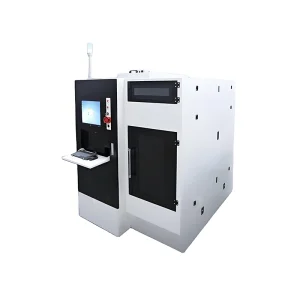
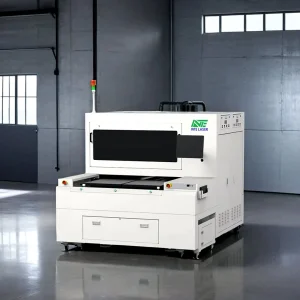
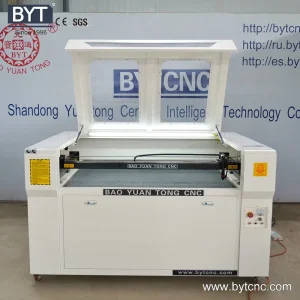
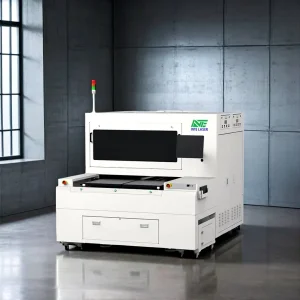
Analyzing the Convergence of Precision Machining, Tier-1 Supply Chains, and Deep-Water Logistics in Northern Vietnam
Hai Phong has rapidly emerged as the industrial capital of Northern Vietnam, anchoring the country's high-tech manufacturing corridors. Fueled by strategic proximity to China, extensive infrastructure investments including the Lach Huyen Deep Sea Port, and the establishment of the Dinh Vu-Cat Hai Economic Zone, this port city has transformed into a dominant production hub. Notably, it hosts flagship domestic automotive producers alongside multinational Tier-1 component manufacturers. The region's manufacturing focus is steadily transitioning from low-value assembly to highly sophisticated, technology-driven fabrication.
This industrial transition requires advanced machinery capable of meeting strict international standards. Within the automotive sector, consumer demand for intelligent vehicle features has led to a major redesign of vehicular glass. Modern cars now feature panoramic displays, integrated Head-Up Displays (HUDs), embedded ADAS sensors, and specialized camera glass covers. Traditional mechanical cutting methods struggle to process these complex materials without creating micro-cracks or compromising structural integrity. To address this, local manufacturers are adopting advanced laser cutting solutions to maintain high production yields and meet strict quality standards.
Hangzhou Focus Laser Co., Ltd. is a professional manufacturer specializing in advanced laser processing equipment for the electronics and display industries. The company focuses on the development and production of PCB laser cutting machines and glass laser cutting systems, delivering high-precision solutions for micro-electronics manufacturing and optical material processing.
Its technologies are widely applied in PCB depaneling, flexible circuit board processing, semiconductor packaging, and precision glass cutting for smartphones, display panels, and optical components. By integrating fiber laser technology, ultra-fine beam control, and intelligent CNC systems, Hangzhou Focus Laser ensures high cutting accuracy, smooth edges, and minimal thermal damage during processing.
The company’s equipment is extensively used in industries such as consumer electronics, semiconductor manufacturing, automotive electronics, and smart display production. It supports both high-volume industrial production and customized precision machining requirements. Emphasizing innovation, reliability, and engineering excellence, Hangzhou Focus Laser provides OEM and ODM services to meet global customer needs, aiming to remain a leading supplier of precision laser solutions.
Our systems utilize ultrafast picosecond and femtosecond lasers to achieve cold laser processing. This approach avoids the mechanical stress and thermal damage associated with diamond-wheel scribing or CO2-based cutting solutions.
| Metric | Mechanical Scribing | Ultrafast Laser |
|---|---|---|
| Micro-Crack Depth | >50 μm | <5 μm |
| Edge Grinding Allowance | 0.3 - 0.5 mm | 0.05 mm (or none) |
| Yield Rate (complex cutouts) | 85% - 90% | 98.5% - 99.8% |
| Consumables Cost | High (Wheels) | Low (Optics only) |
Meeting Global Procurement Standards and Production Requirements for Smart Mobility
Modern automotive designs require structural glass that performs multiple functions. The windshield is no longer just a wind barrier; it serves as an optical interface for digital displays, camera housings, and sensor modules. Hangzhou Focus Laser addresses these needs by offering customized systems designed for automated production lines:
We provide technical support, custom engineering, and compliance documentation to ensure smooth integration with your manufacturing systems.
Our local service teams based in Northern Vietnam provide installation support, system calibration, and maintenance with prompt response times.
Our systems meet international safety standards, including Class 1 laser safety enclosures, integrated exhaust filtration, and dual-loop interlocks.
We run comprehensive Factory Acceptance Testing (FAT) protocols and provide custom tooling trials before shipment to ensure performance matches your product designs.
We provide structured training programs covering laser physics, system operations, nesting optimization, and diagnostic routines to build local team expertise.
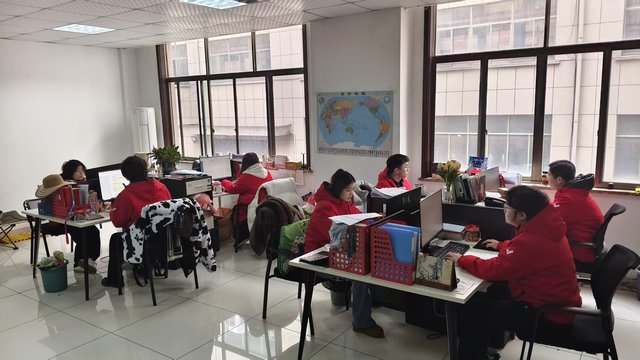
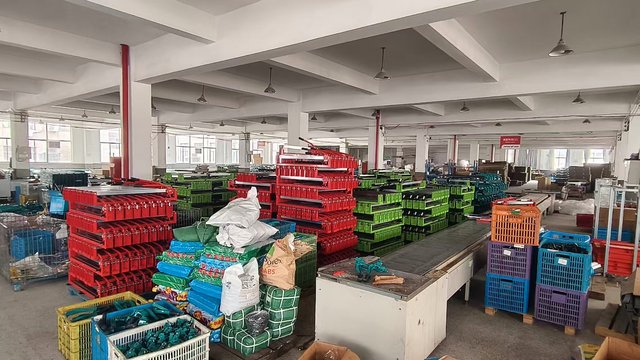
Operational photos showing glass processing precision, clean cuts, and high-performance equipment installations
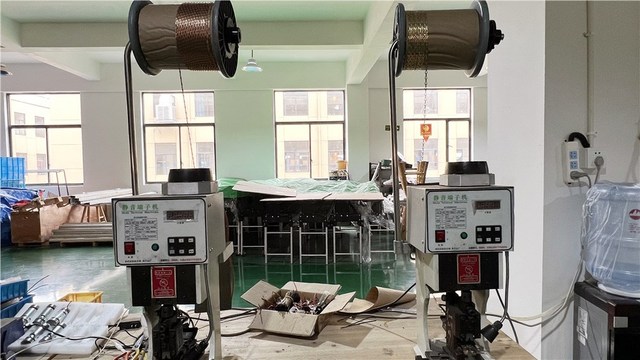
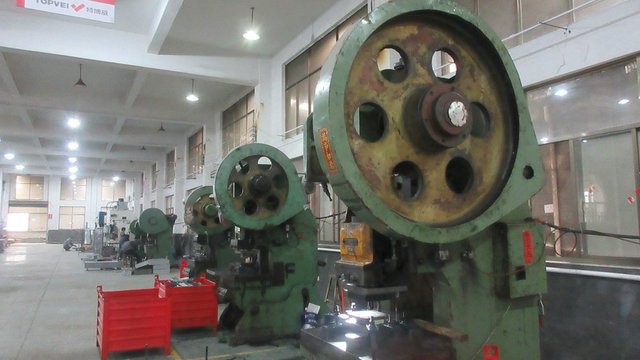
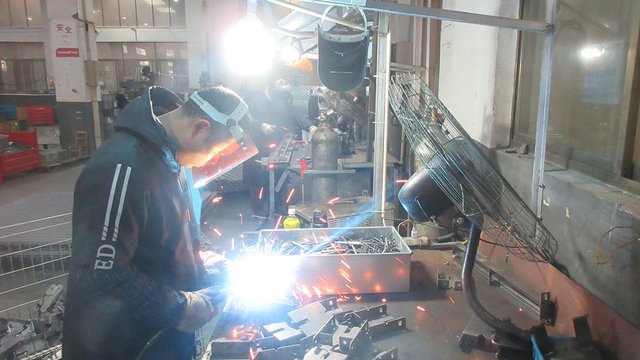
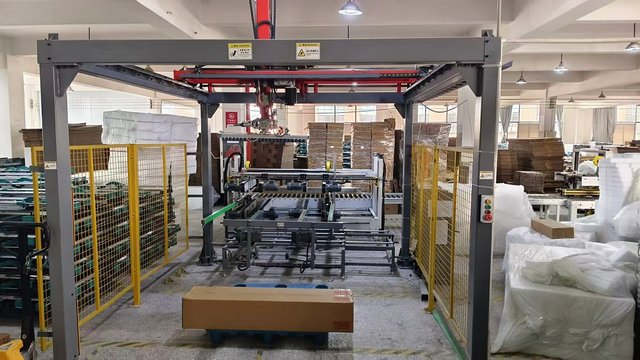
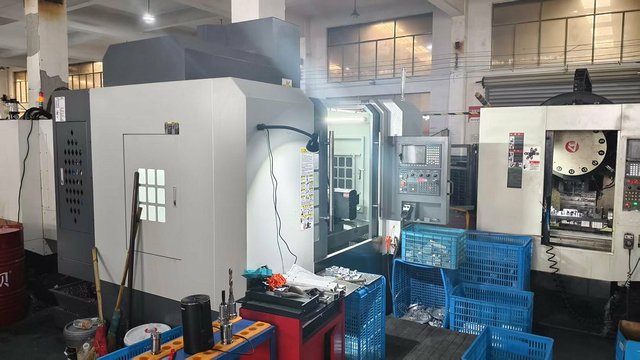
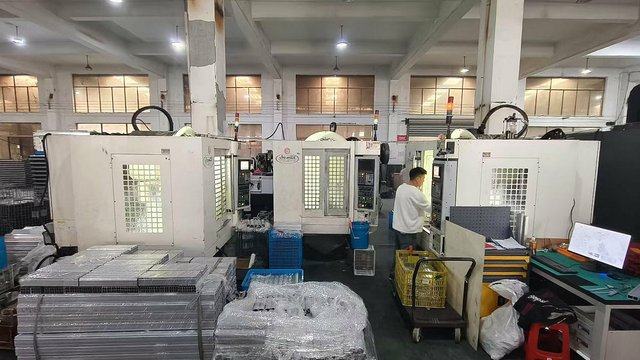
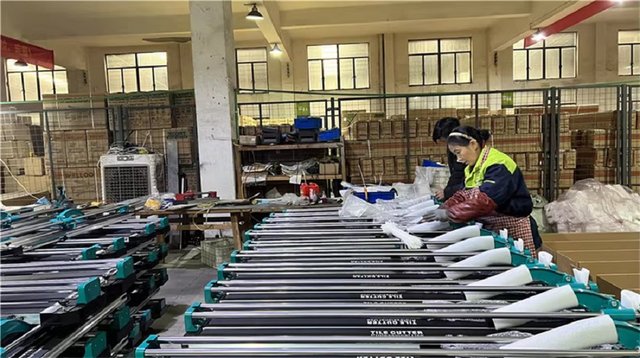
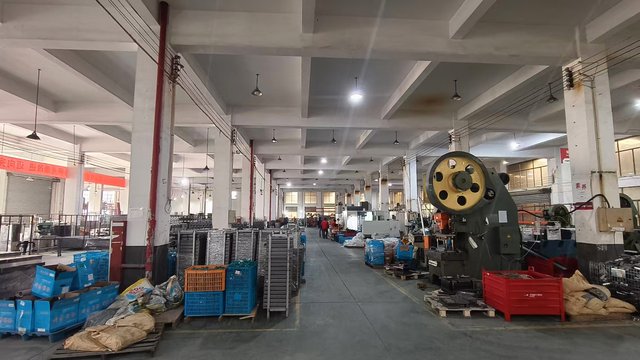
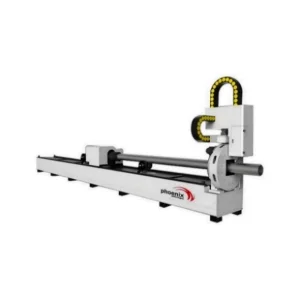
High-Precision Laser Marking, Engraving, and Robotic Systems for Advanced Assembly Lines
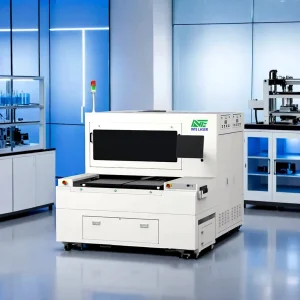
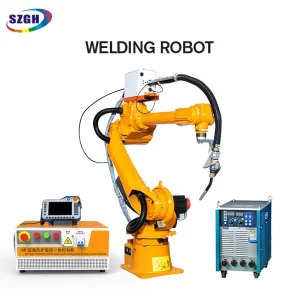
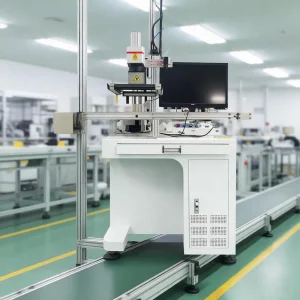
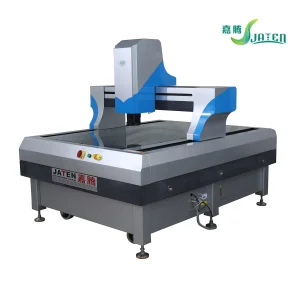
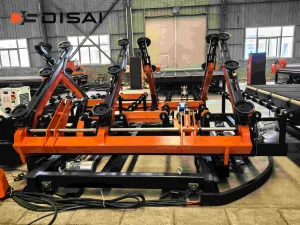
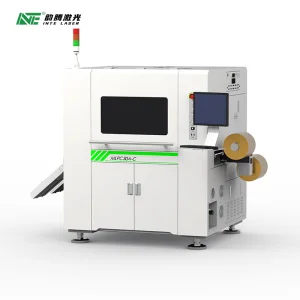
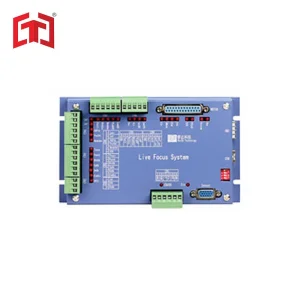
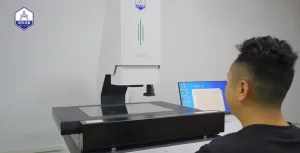
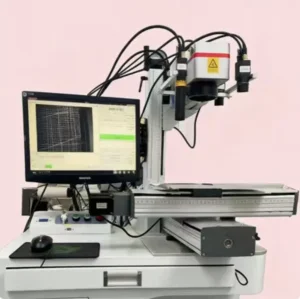
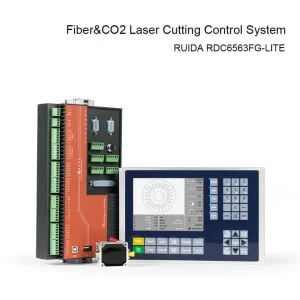
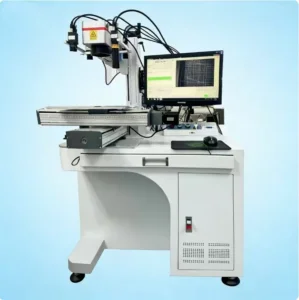
Key technical insights on processing speeds, edge strength, and system integration for automotive components
Traditional diamond-wheel scribing relies on physical force to score and break glass, which creates micro-cracks along the cut line and reduces overall edge strength. Ultrafast lasers (picosecond and femtosecond) modify the glass properties at the molecular level, creating a clean separation with a heat-affected zone of less than 10μm. This process eliminates mechanical stress, significantly increases edge strength, and reduces the need for secondary grinding or polishing steps.
Yes. Our systems are optimized to process chemically strengthened glass. By using ultra-short pulse widths and precise focus depths, the laser cuts through the high compressive stress layer without causing micro-cracking or fracturing the material, ensuring clean edges for display covers and smart cockpit surfaces.
TGV technology enables high-precision drilling of micro-vias through glass panels. This allows electrical signals to be routed directly through the glass, which is essential for integrating display electronics, touch sensors, and heating elements into automotive glass assemblies.
We provide comprehensive support for facilities in Northern Vietnam. This includes site preparation, equipment installation, calibration, and hands-on training for operators. We also offer scheduled maintenance and local inventory support to minimize downtime on automated assembly lines.
Yes. Our systems feature industrial communication protocols (such as OPC UA and Modbus) that integrate with robotic loaders, vision systems, and automated glass handling units, enabling full automation for high-volume manufacturing environments.
Contact our sales and engineering teams for detailed equipment specifications, custom material testing, or a detailed quotation tailored for your factory layout.
Send Inquiry Now Focus Laser