Explore our premium range of industrial laser machines, optical filters, and custom CNC components designed for high-end micro-electronics, automotive, and medical applications.
The global manufacturing landscape is undergoing a profound transformation driven by the demand for miniaturization, extreme component precision, and rapid cycle times. At the center of this industrial shift is Hangzhou Focus Laser Co., Ltd., a premier pioneer in design, vertical development, and manufacturing of ultra-precise laser systems. By establishing deep integration across modern optic component designs, control software engineering, and robotic assemblies, Chinese manufacturers have transitioned from high-volume assemblers to frontrunners in advanced photonic engineering.
Historically, the industrial sector relied on mechanical die cutting, chemical etching, or conventional CNC routers. However, as the electronics, automotive, and aerospace industries transitioned toward flexible, high-density materials—such as high-speed flexible copper-clad laminates, multilayer display panels, and specialized sapphire optical crystals—conventional methods introduced structural micro-cracks, mechanical stress, and chemical contamination. Through the research and commercialization of nanosecond, picosecond, and femtosecond pulse-duration lasers, modern Chinese facilities supply systems capable of sub-micron material removal, establishing new thresholds of output efficiency and processing reliability.
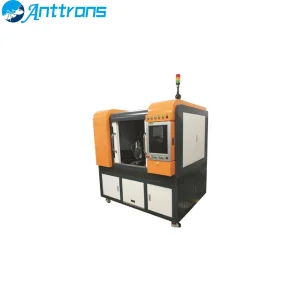
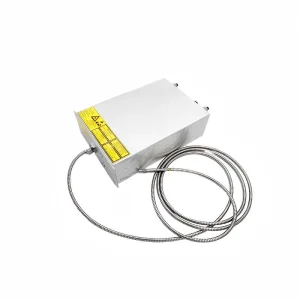
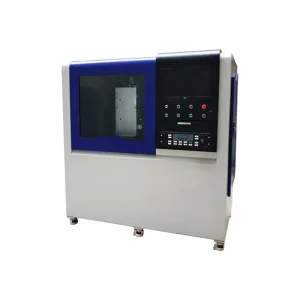
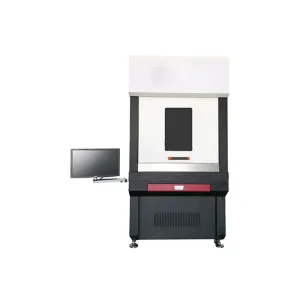
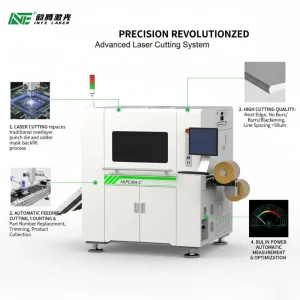
Our core manufacturing focus spans high-efficiency PCB laser cutting machines, glass laser cutting systems, and high-energy UV fiber-coupled laser modules. By managing every stage of product development, from optomechanical design to control system programming, we enable high-precision micromachining that ensures smooth edges, minimal carbonization, and negligible thermal distortion.
Sub-micron beam control configurations allow our systems to navigate tight radii and complex profiles, minimizing Heat Affected Zones (HAZ) in materials like polyimide, PTFE, and FR4.
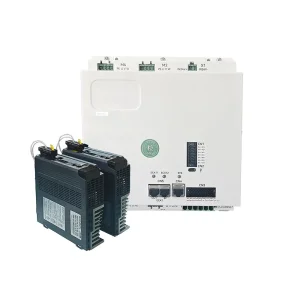
By leveraging EtherCAT communication buses and high-speed dual-axis galvo configurations, our systems synchronize optical scanner movements with linear stage motion for seamless processing.
Designed with dust-sealed optics chambers, advanced liquid cooling loops, and high-quality optical components, ensuring stable laser output power during continuous industrial shifts.
Industrial laser processing is no longer just about standard cutting and marking; it is defined by integrated production cells where material science, robotics, and light interact. By analyzing global client feedback, we have developed targeted solutions that solve complex manufacturing challenges across key high-tech sectors:
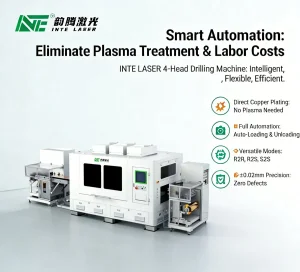
In consumer electronics and display panels, flexible printed circuits (FPC) require complex contour routing and ultra-fine blind via drilling. Traditional tools cause copper delamination and thermal damage. Our High-Speed Dual-Head Roll-to-Roll Laser Cutting Machine and Four-Head Laser Drilling System offer contactless processing. Operating with short-wavelength UV light or ultrashort pulse lasers, these machines cut and drill materials by breaking atomic bonds rather than relying on thermal ablation, virtually eliminating heat damage.
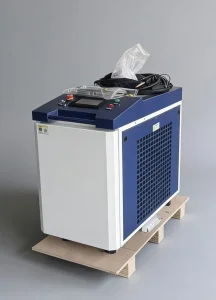
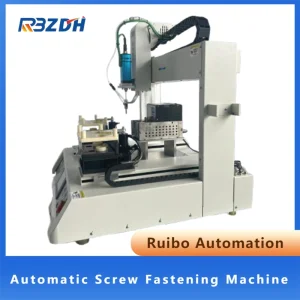
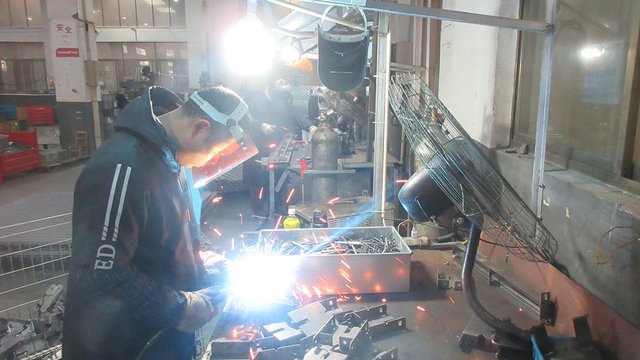
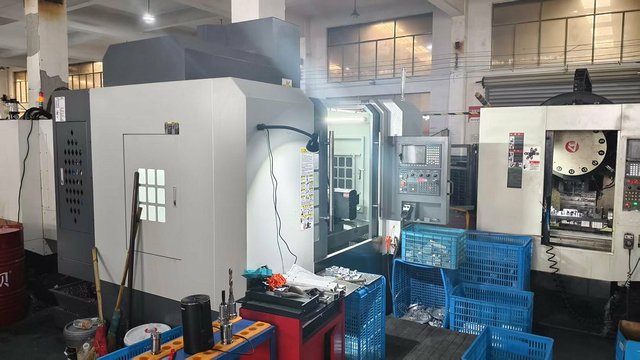
Electric vehicle (EV) manufacturing and marine engineering depend on structural integrity. Standard welding can leave porous joints. Our Advanced 2000W Laser Welding System delivers deep penetration welds with minimal distortion, reducing the need for post-weld machining. Additionally, for automotive electronic components, our CNC solutions and automatic screw-locking assemblies streamline high-volume production.
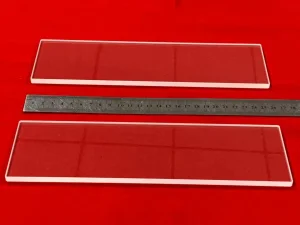
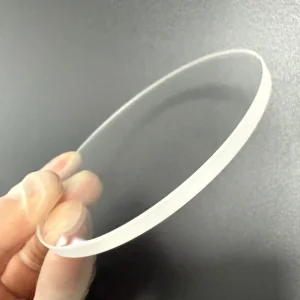
Infrared imaging, aerospace windows, and quantum simulators demand optics that can withstand extreme temperatures, pressures, and chemical environments. Working with single-crystal sapphire requires specialized processing because of its extreme hardness. We provide customized Sapphire Filters and Sapphire Glass Windows, cut and polished using tailored laser systems to prevent micro-fracturing and ensure clean transmission profiles.
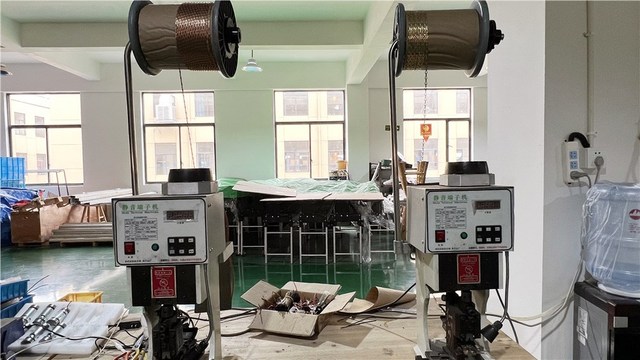
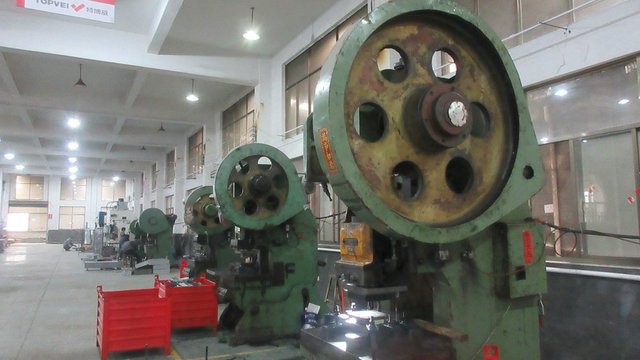
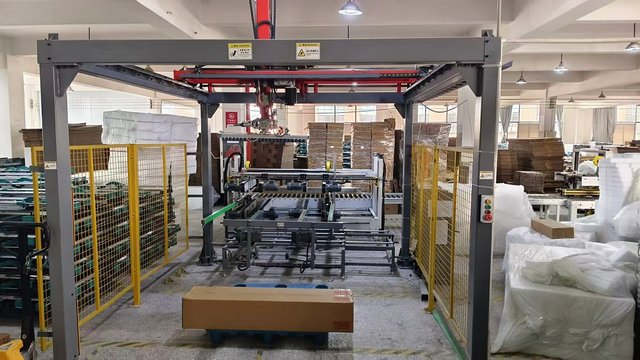
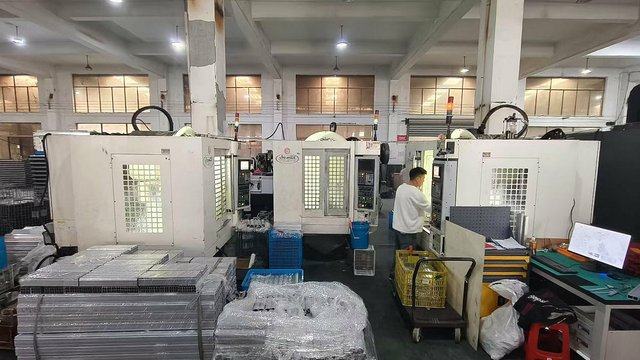
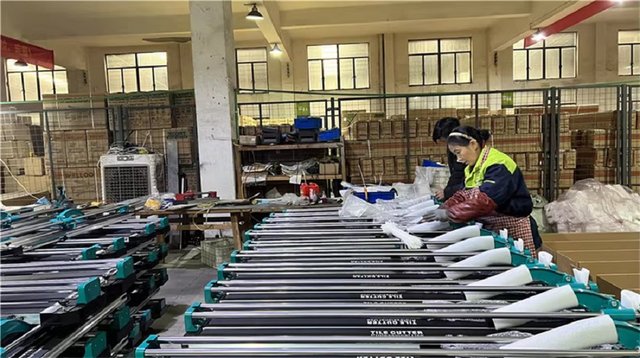
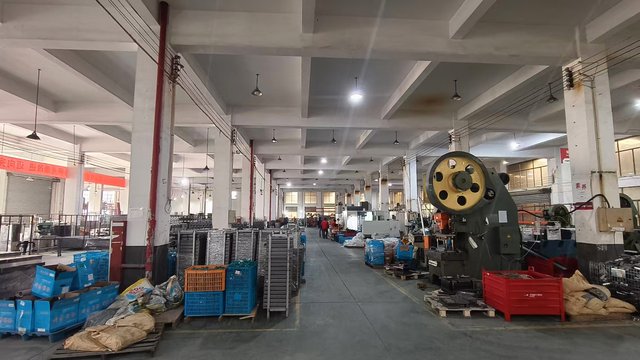
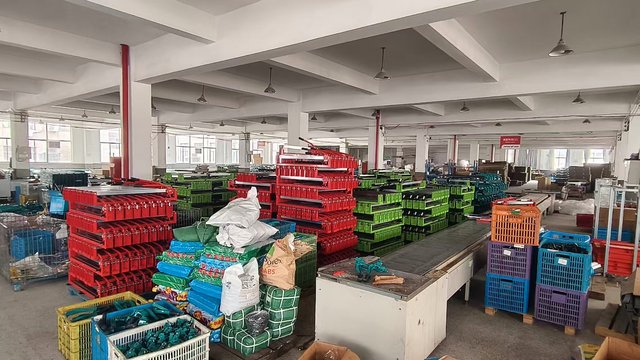
Our production facilities utilize modern calibration instruments, cleanrooms, and testing gear to maintain strict quality standards.

The industrial laser sector is moving rapidly toward sub-picosecond micromachining, automation, and closed-loop control systems. These advancements are driven by the need to increase efficiency, reduce cycle times, and support flexible manufacturing processes.
Exporting industrial laser systems requires strict adherence to international safety standards, mechanical regulations, and trade compliance. Every laser system leaving Hangzhou Focus Laser undergoes a comprehensive quality verification process.
Our systems are designed to comply with CE mark requirements, FDA radiation safety guidelines, and various industrial electrical standards. From high-power UV modules to automated PCB cutting lines, we utilize clean optomechanical assemblies and reliable enclosures. Additionally, we provide complete technical documentation, including schema layouts, alignment guides, and software manuals, helping global partners integrate our machines into existing factory environments.
Common questions regarding industrial laser operation, maintenance, and material processing.
Discover our specialized modules, software integration kits, and auxiliary production machinery designed to maximize industrial efficiency.
 Focus Laser