In 2026, the advancement of laser technology profoundly influences flexible circuit cutting. As industries demand more precise and efficient production methods, the question arises: what is the role of laser in flexible circuit cutting? According to a recent industry report, the global market for flexible circuits is projected to reach $34 billion by 2026, with laser cutting technology driving a significant portion of this growth.
Laser cutting offers speed and precision, crucial for complex designs found in modern electronics. For instance, CO2 and fiber lasers can achieve cutting tolerances of less than 10 microns, a benchmark not easily met by traditional methods. However, challenges remain. The initial setup cost for laser systems can be high, limiting accessibility for smaller manufacturers. Additionally, not all materials respond optimally to laser cutting, necessitating ongoing research into versatile applications.
While laser technology improves efficiency and quality, it requires a skilled workforce to operate these advanced systems. The demand for trained personnel in this field might not keep pace. A well-rounded understanding of both the benefits and limitations is key for companies to fully leverage laser technology in flexible circuit cutting.
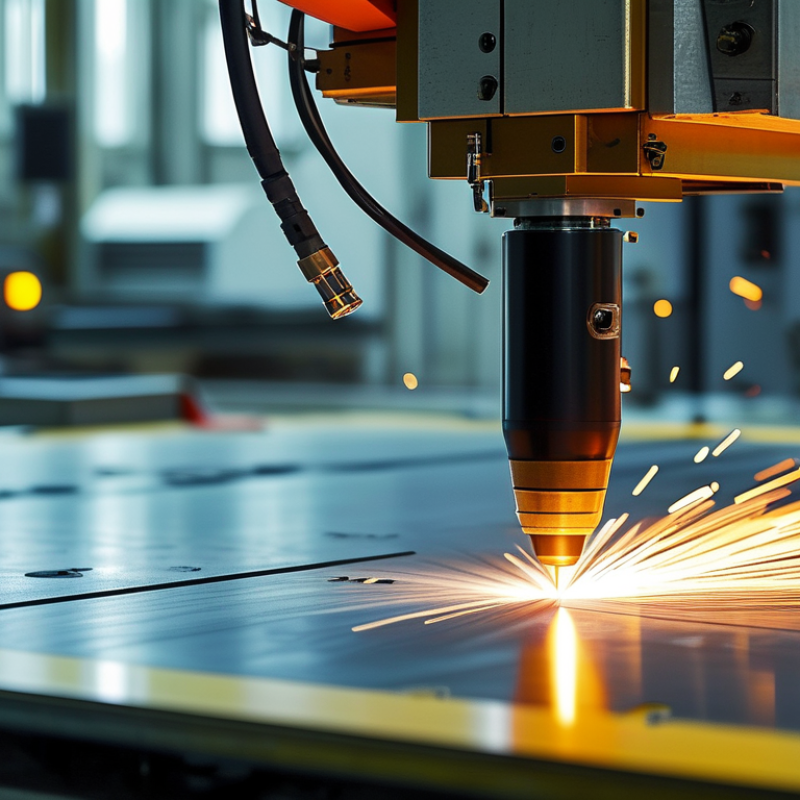
The evolution of laser technology in circuit cutting applications has been remarkable. Initially, laser cutting was limited to large-scale operations. Precision was often compromised due to the heavy machinery involved. However, advancements in technology have transformed this landscape. Today’s laser systems are small, efficient, and incredibly precise. They can cut flexible circuits with minimal damage to surrounding materials.
Recent innovations have introduced more robust laser options. These lasers can process materials ranging from polyimide to copper with ease. Through precise manipulation of power and speed settings, manufacturers achieve finer cuts and intricate designs. This flexibility opens new avenues in industries such as consumer electronics, automotive, and medical devices. The integration of AI in laser systems has improved performance further.
Despite these advancements, challenges remain. Some operators struggle with the calibration of laser systems, resulting in inconsistencies. Additionally, adapting to the rapid changes in technology can be daunting for smaller manufacturers. They may lack the resources needed to implement sophisticated equipment. These hurdles must be addressed to harness the full potential of laser technology in flexible circuit production.
Laser cutting is transforming the world of flexible circuits in remarkable ways. By 2026, this technology will continue to shine due to its precision and speed. Laser cutting allows manufacturers to achieve intricate designs that traditional methods may struggle with. The ability to cut complex shapes with minimal material waste is a clear advantage.
One major benefit is the accuracy of the cuts. Lasers can produce fine details, essential for modern electronics. This accuracy reduces the need for additional processing, saving time and resources. Moreover, laser systems can be operated without physical contact, minimizing the risk of damaging delicate materials.
Costs are a concern in any manufacturing process. Laser cutting can lower overhead by eliminating the need for specialized tooling. However, initial investment in laser technology might be high. Companies must weigh the long-term benefits against these costs. As we advance, the challenge will be in balancing precision with production efficiency. Growth will depend on continuous innovation and thoughtful implementation of these technologies.
Laser technology has transformed flexible circuit cutting, enhancing precision in manufacturing. As of 2026, innovative techniques in laser cutting are leading the industry. Recent reports indicate that laser systems can achieve accuracy as high as ±0.01 mm, which is crucial for intricate circuit designs. This level of precision minimizes waste and maximizes efficiency, essential in today's fast-paced market.
One remarkable advancement is the use of ultra-fast lasers. These systems significantly reduce heat-affected zones, preventing damage to sensitive materials. Data from industry trials suggest that these lasers improve cutting speeds by up to 30%. This makes production lines more efficient. Nevertheless, companies must remain cautious. Overworking machines or not maintaining equipment leads to inaccuracies and potential delays.
Tips for optimizing laser cutting include regular maintenance checks and investing in operator training. Skilled personnel can fine-tune settings for better results. Additionally, using the right lens can enhance focus and efficiency. Understanding the limitations of current technology can also foster innovation. Manufacturers should continuously evaluate processes to remain competitive. In a field where precision is paramount, even minor tweaks can lead to significant improvements.
| Technology Type | Cutting Technique | Precision Level (µm) | Material Compatibility | Applications |
|---|---|---|---|---|
| CO2 Laser Cutting | Vaporization | 50 | Polyimide, PET | Flexible PCBs, Sensors |
| Fiber Laser Cutting | Melting | 25 | Aluminum, Copper | Antennae, Connectors |
| Ultrafast Laser Cutting | Ablation | 10 | Composite Materials | Medical Devices, Aerospace |
| Diode Laser Cutting | Scorching | 100 | Silicone, Rubber | Housing Components, Gaskets |
The integration of AI with laser technology in circuit manufacturing is poised to reshape the industry by 2026. AI algorithms can optimize cutting paths, reducing time and material waste. This precision not only improves efficiency but also enhances the quality of flexible circuits. Factories will likely employ smart sensors to assess real-time conditions, allowing for adjustments during the cutting process.
However, challenges remain. The complexity of AI implementation could create a steep learning curve for some manufacturers. Additionally, integrating AI systems with existing laser technology may not be seamless. There’s also concern about over-reliance on automation. Human oversight remains critical in ensuring design integrity and managing unexpected issues.
As advancements continue, balancing technology with human expertise will be essential. Manufacturers will need to invest not just in tools, but in training and protocols. Emphasizing continuous improvement will help tackle these challenges effectively. The future of circuit manufacturing with laser technology and AI is bright, but it’s a journey filled with hurdles to navigate.
The rise of laser technology is transforming flexible electronics. This advancement brings numerous challenges in the cutting process. Precision is crucial. The tolerances for flexible circuits are tight. Any miscalculation can lead to significant errors. Laser cutting must maintain accuracy while adapting to varying materials. This diversity increases the complexity.
Material type influences processing techniques. For instance, polymers behave differently from metal when exposed to laser cutting. Engineers must consider these variations. The risk of material damage is high. Optimization of laser parameters is essential. A balance between speed and precision is often hard to achieve.
Moreover, the cost of implementing advanced laser systems can be astronomical. Many companies struggle with this investment. Finding skilled operators is another hurdle. Proper training ensures operators can handle new technologies effectively. Without it, mistakes are inevitable, leading to wasted resources. The industry must address these challenges to harness the full potential of laser technology in flexible circuits.
: Laser technology has evolved from large, inefficient machines to small, precise systems. This change enables cutting of flexible circuits with minimal damage.
Modern lasers can process various materials, including polyimide and copper, thanks to advancements in power and speed settings.
Operators often struggle with system calibration, leading to inconsistencies. Adapting to new technologies can also be difficult for smaller manufacturers.
AI will optimize cutting paths, reduce waste, and enhance the quality of flexible circuits, transforming manufacturing practices.
Over-reliance on automation could lead to design integrity issues. Human oversight is crucial for managing unexpected challenges.
Proper training helps operators adapt to advanced systems and prevents costly mistakes. Without training, errors may lead to wasted resources.
Smart sensors will assess real-time conditions and allow adjustments during the cutting process, improving efficiency.
Maintaining accuracy while cutting various materials is a challenge. Miscalculations can lead to significant errors in flexible circuits.
Different materials, like polymers and metals, respond differently to laser exposure, requiring distinct processing techniques.
Investing in advanced tools and training is essential. It helps manufacturers navigate challenges and fully harness laser technology potential.
In 2026, the role of laser technology in flexible circuit cutting has become increasingly pivotal due to its evolution and advancements in precision cutting applications. Laser cutting offers significant advantages for flexible circuits, including minimal material waste, high accuracy, and the ability to process intricate designs that traditional methods cannot achieve. Innovative techniques such as ultra-fast pulsing and adaptive beam control enhance the precision and efficiency of laser operations, making it ideal for complex circuit requirements.
As the industry trends toward integrating artificial intelligence with laser technology, the potential for increased automation and error reduction in circuit manufacturing grows. Despite these advancements, challenges remain in laser processing, including material compatibility and heat management. Solutions are continually being developed to address these obstacles, making laser cutting a leading choice for the future of flexible electronics. Through these developments, understanding what is the role of laser in flexible circuit cutting is essential for manufacturers aiming to optimize their production processes.

Focus Laser